
Tactical
The AI Marketing Stack for Owner-Operators: 7 Tools That Replace a Marketing Hire
You can replace most of a junior marketer output for 150 per month with 7 specific tools. Here is the stack and the math.
May 24, 2026 7 min read
Frameworks, tactics, case studies for AI-powered content systems. Voice over volume. Authority over noise. Content engines that compound over time.
43 articles
You can replace most of a junior marketer output for 150 per month with 7 specific tools. Here is the stack and the math.

Response time is your only competitive advantage. An AI-connected stack cuts proposal turnaround from days to hours.

Most agencies launch campaigns in 4-6 weeks. Automation collapses that to 7-14 days. Here is the system.

Content production eats founder hours. Jasper Studio lets you systematize it. 85% of marketers now use AI for content creation—but most agencies still staff like it's 2015. Here's how to build the factory instead.

AI-referred orders on Shopify grew 13x YoY in Q1 2026. Agentic storefronts syndicate your catalog to ChatGPT, Perplexity, Copilot, and others—with 50% higher conversion and 14% higher order values. Operators who own this channel now build compounding advantage before mainstream adoption.

The Intuit 2026 AI Impact Report is clear: 70% of small businesses now use AI as part of daily operations. The other 30% are about to learn an expensive lesson. This isn't a technology problem. It's a decision-making problem.

On the submarine, every system had a pre-start checklist. You never started the reactor without verifying every prerequisite. The same discipline applies to deploying AI prospecting. Your data has to be clean BEFORE you flip the switch.

AI systems rank brands before humans do. Ignite X and competitor tools now score how ChatGPT, Perplexity, and Claude describe your business—and most owner-operators score too low to be cited. This tool review shows you how to read your score, identify gaps, and move the needle.

AI agents now drive discovery conversations. Service businesses without an agentic web strategy are invisible to the buyer's research assistant. The window to position is closing fast.

Most AI marketing tools fail because the underlying data is messy and fragmented. The Data's DNA framework gives you a tactical checklist to clean, structure, and activate first-party data across any stack, transforming your foundation from liability to competitive advantage.
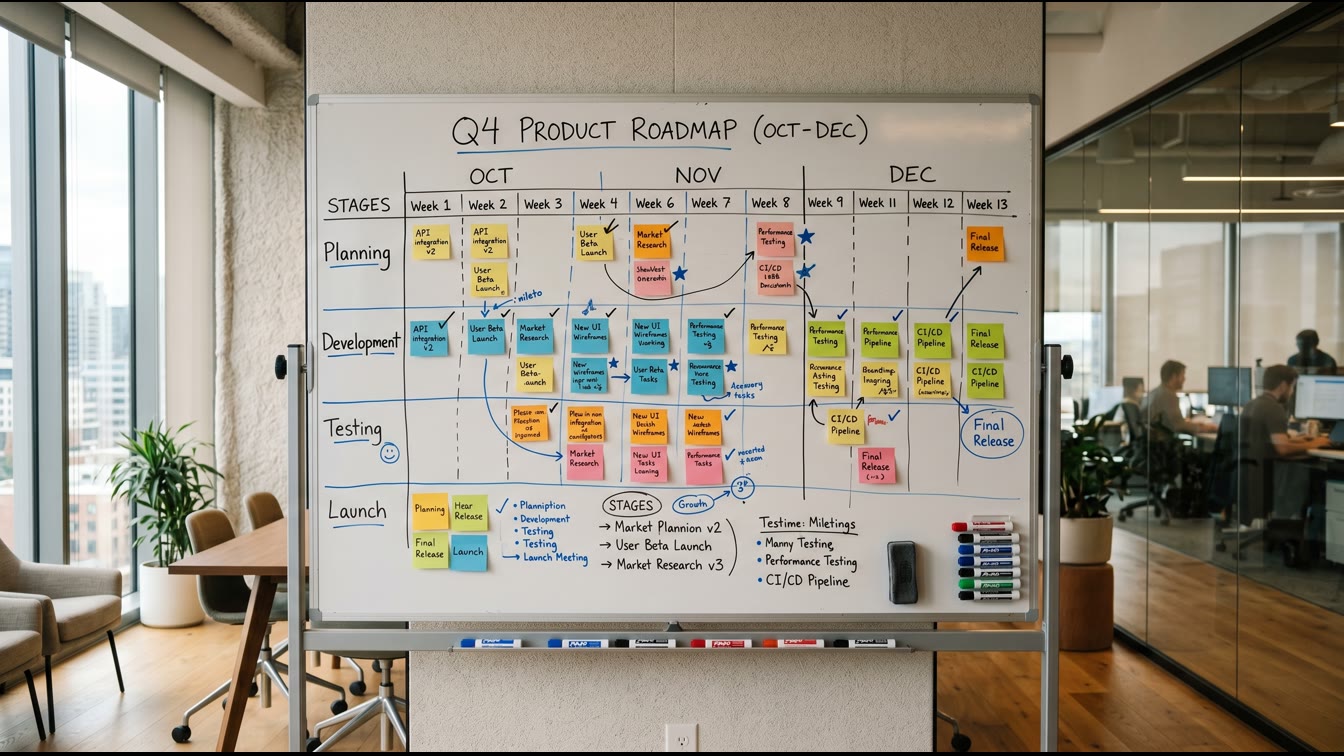
SaaS companies lose 40-60% of users in the first 90 days. AI-powered onboarding automation identifies at-risk users and intervenes before they churn. This is the system that changes the math.

Ecom operators spend 15-20 hours weekly on catalog management. Agentic commerce systems handle pricing optimization, product descriptions, and inventory decisions autonomously.

Service businesses lose an average of $180,000 annually to missed calls. AI receptionist systems capture that revenue 24/7 without adding headcount. Here is the implementation system.

Klaviyo's integration with Claude creates agentic email systems that handle segmentation, copywriting, and optimization autonomously. This is the system ecom operators use to remove themselves from the email engine room.

AI search engines are rewriting how buyers find service providers. Owner-operators who build GEO-optimized content systems now will own the citations that drive revenue for the next decade.

88% of AI agent pilots never reach production. The gap isn't capability — it's orchestration. Owner-operators don't need an AI division. They need three agents working together on your highest-friction workflows.
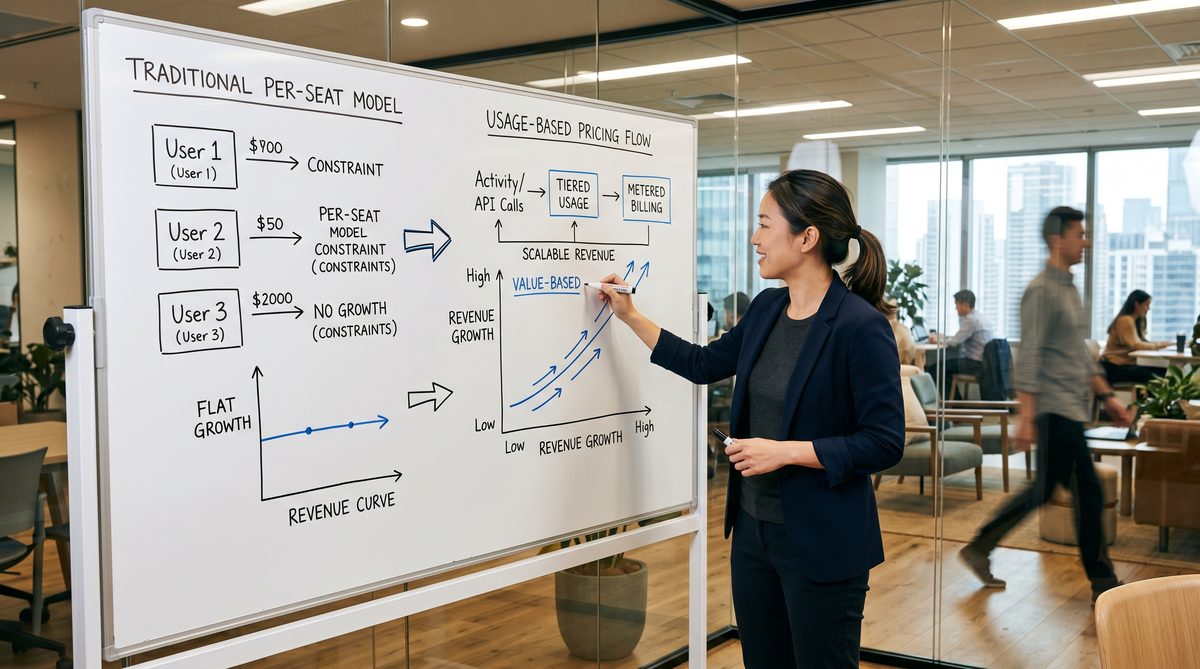
AI agents don't occupy seats. By 2026, half of enterprise digital budgets fund AI automation. Seat-based SaaS pricing dies. Here's how to restructure revenue without killing ARR.

Gartner predicts 40% of enterprise apps will feature AI agents by 2026, but over 40% of agentic AI projects will be canceled by 2027 due to inadequate governance. Position yourself as the trusted advisor building AI policies, governance frameworks, and deployment protocols before the Big 4 commoditize it.
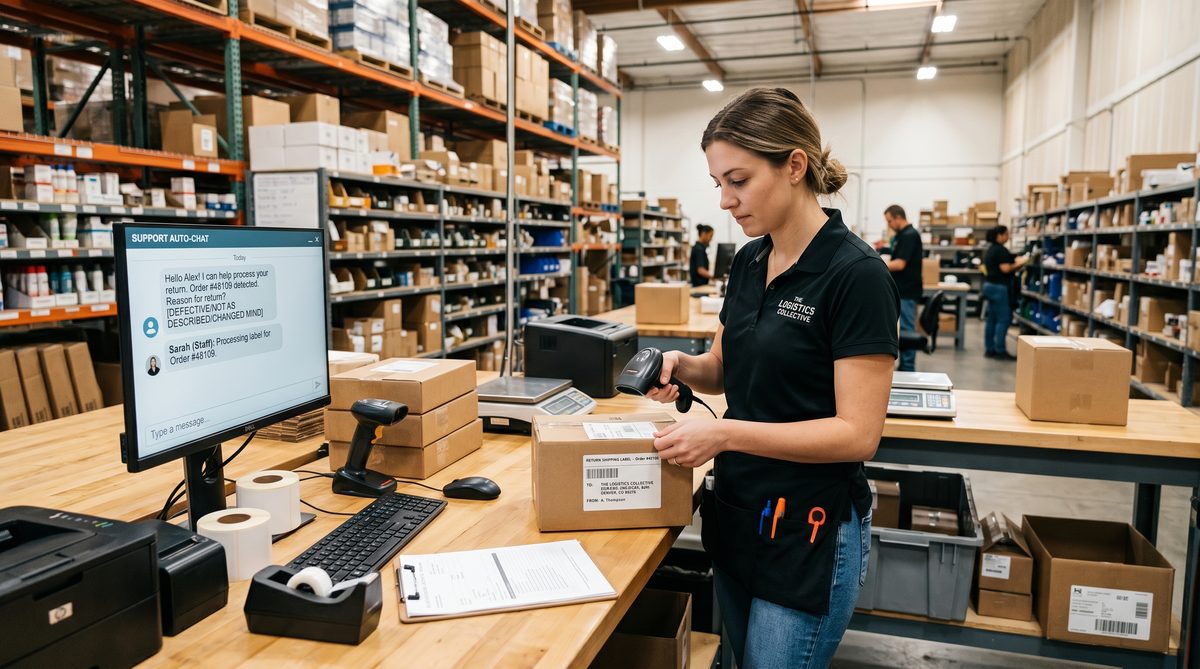
WISMO tickets and returns processing drain 40% of ecom support capacity. AI agents now validate policies, generate labels, trigger refunds, and track orders autonomously—cutting costs 60% and payback in 30 days. Here's the 90-day rollout stack.
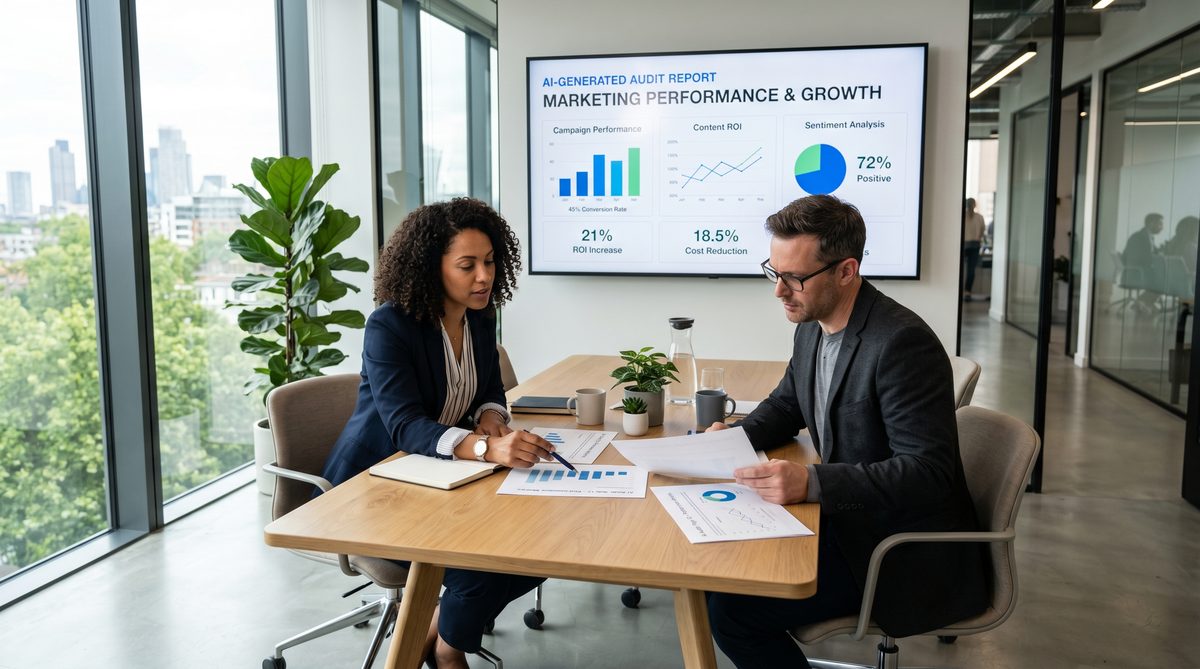
Most agencies trade hours for dollars on one-time audit projects. The move: productize recurring AI-powered assessments—technical SEO, content gaps, competitor analysis—and lock clients into $3K–$5K/month retainers. The margin math beats hourly work.

HubSpot's data: 27% organic traffic drop YoY while AI referral traffic tripled. 65% of searches end without a click. Here's the tactical AEO sequence that actually captures owner-operator leads when traditional SEO breaks.

AI Overviews have restructured search — users now get answers without clicking, which means SaaS brands that built traffic on SEO clicks are losing ground fast. The ATLAS Model provides a content architecture for winning citations in AI Overviews so your brand earns visibility and authority in zero-click search, even when the click never comes.
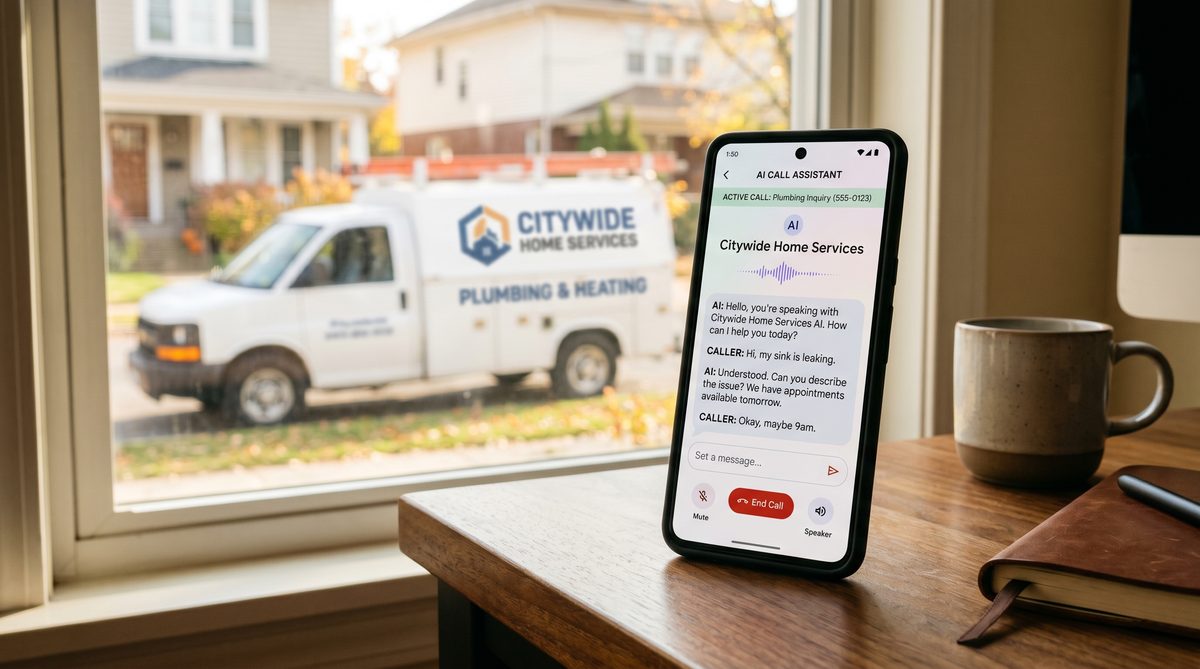
Your phone line is your first sales touchpoint — and most service businesses abandon it after hours, losing 60-80% of inbound calls to voicemail or silence. This tactical guide walks through deploying an AI phone system using the 90-Day Bottleneck Audit framework so you capture and convert leads at any hour without adding staff.

AI agents are not coming for your agency — they are already running inside your clients' enterprise software stacks, handling the coordination work that junior account managers used to do. The ATLAS Model gives agency operators a practical framework for repositioning before the role disappears, turning automation pressure into a competitive advantage.

Most AI-generated product descriptions fail for the same reason most investor pitches fail: they're generic. The tools aren't the problem. The inputs are. Brands that use customer review data and search query signals as the raw material for AI copy are seeing conversion lifts of 7% to 23%. The ones that just type 'write me a product description for a leather wallet' are getting exactly what they deserve — forgettable output that doesn't move product. This article shows you the system: how to collect the right data, build prompts that force specificity, A/B test the output, and run the math on what a 10% conversion lift is actually worth to your store.
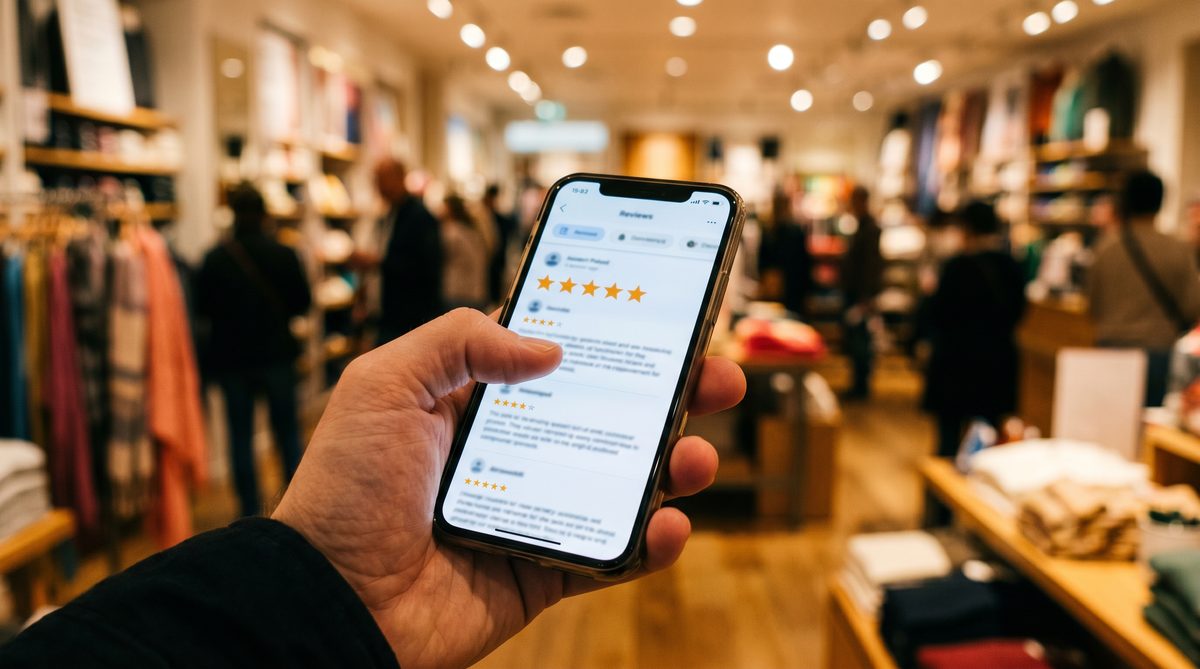
A 1-star review hits your Google listing at 11 PM on a Tuesday. Your phone buzzes. You feel the gut-punch. And then you do nothing, because you're exhausted and emotional and you don't know what to say. That gap — between review posted and response sent — is costing you customers. Specifically, 30 customers per unaddressed negative review, according to ReviewTrackers data. This article shows you exactly how to build an AI-powered review response system that monitors every major platform, drafts a response within minutes, routes it through a fast human approval gate, and posts before the damage compounds. No agency required. No emotional reactions. Just a procedure that fires every time.

AI search citation requires systems, not luck. Schema markup, FAQ structure, entity optimization, and direct-answer formatting create predictable demand discovery. Build the engine room right once.

Average ecom return rates hit 20% in 2025—40% for apparel. Each return costs 20-65% of item price. AI sizing tools, product matching, and visual confirmation reduce returns 30-40%. The math: prevent 100 returns = $20K-$50K profit recovery.

AI-driven retail visits increased 393% year over year in Q1 2026. Those AI-referred shoppers convert 42% better than organic traffic. If your ecommerce catalog isn't built for agents, you're leaving revenue on the table while your competitors capture

"Read this discovery transcript and brief. Generate a strategic analysis of this client's situation covering: (1) their core business problem, (2) the competitive pressure they're facing, (3) the likely decision drivers, (4) our differentiation angle
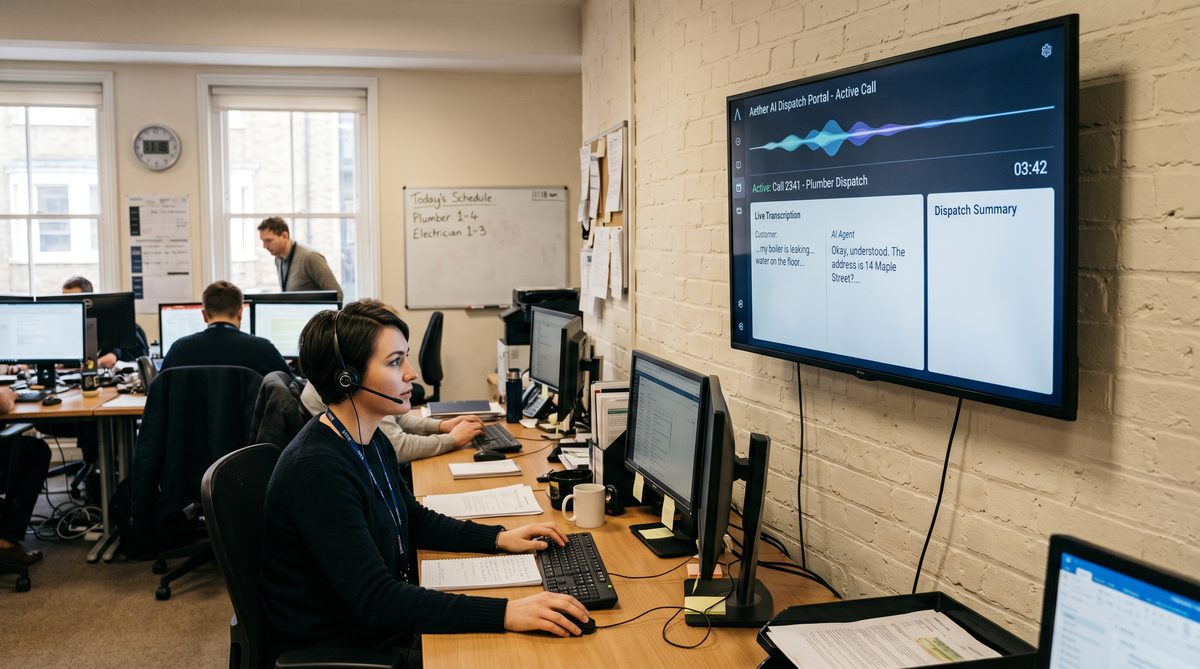
AI voice agents are worth deploying for high-inbound service businesses — but only if you match the tool to your call volume, conversation complexity, and CRM stack. The businesses that win do so

Profitable is not the same as sellable. A business generating $700K in annual profit with the owner working 60 hours a week is not worth what the owner thinks it is. Buyers do not buy heroic oper

Leads contacted within 5 minutes convert at 8 times the rate of leads contacted later — and the average service business waits 38 hours to call back. That gap is revenue. The fix is not a hire. I

The fastest path to SaaS churn is a static welcome email sequence that ignores who just signed up. Cutting time-to-value from 7 days to under 48 hours is not a content problem — it is a segmentat

If you adopted AI tools in the last 18 months, you are delivering more work in less time. Most consultants are. The problem: your rates haven't moved. Your scope hasn't changed. Your invoice look

The fastest revenue you will ever generate is sitting in your existing customer list — dormant, untouched, and leaking money every day you ignore it. Between 60 and 70 percent of first-time buyer

The direct answer: A two-person agency can run 12 to 15 active accounts without burning out — if they apply the ATLAS Model to delivery, not just content generation. Map Automate, Templatize, Lay

The direct answer in the first 100 words: A business with $2M in revenue that requires its founder to answer calls, close deals, and deliver work is not a $2M asset — it is a job with good margin

If you bill $40K a month and cannot take two weeks off without revenue dropping, you are not running an agency. You are the agency. The structural difference between a scalable firm and a high-bi

Your churn problem is not a headcount problem. It is a signal problem. The signals that predict cancellation — usage drop, exec replacement, unresolved tickets, failed activation milestones — are

Buying more AI tools is not a strategy — it is a reflex. Owner-operators without a governing framework spend more to run the same treadmill. FOCUS: one constraint, one tool, verified results.
Here is the direct answer: An ecom operator doing $1M-$10M typically makes four hires — a media buyer (~$90K-$120K base), a customer-service lead (~$60K-$75K base), a creative producer (~$70K-$90

Here is the direct answer: seven AI workflows, run in sequence, will remove the operator from the most labor-intensive parts of a service business — inbound call handling, appointment scheduling,