The AI Marketing Stack for Owner-Operators: 7 Tools That Replace a Marketing Hire
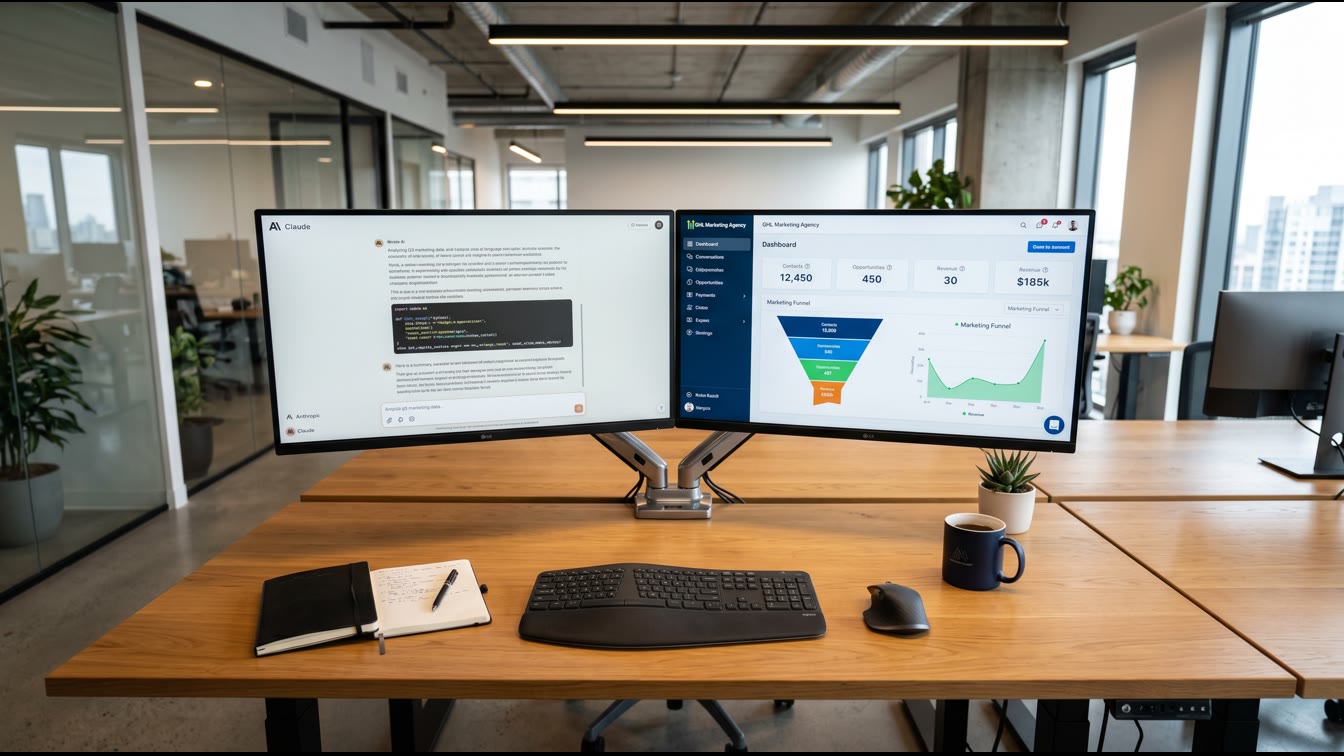
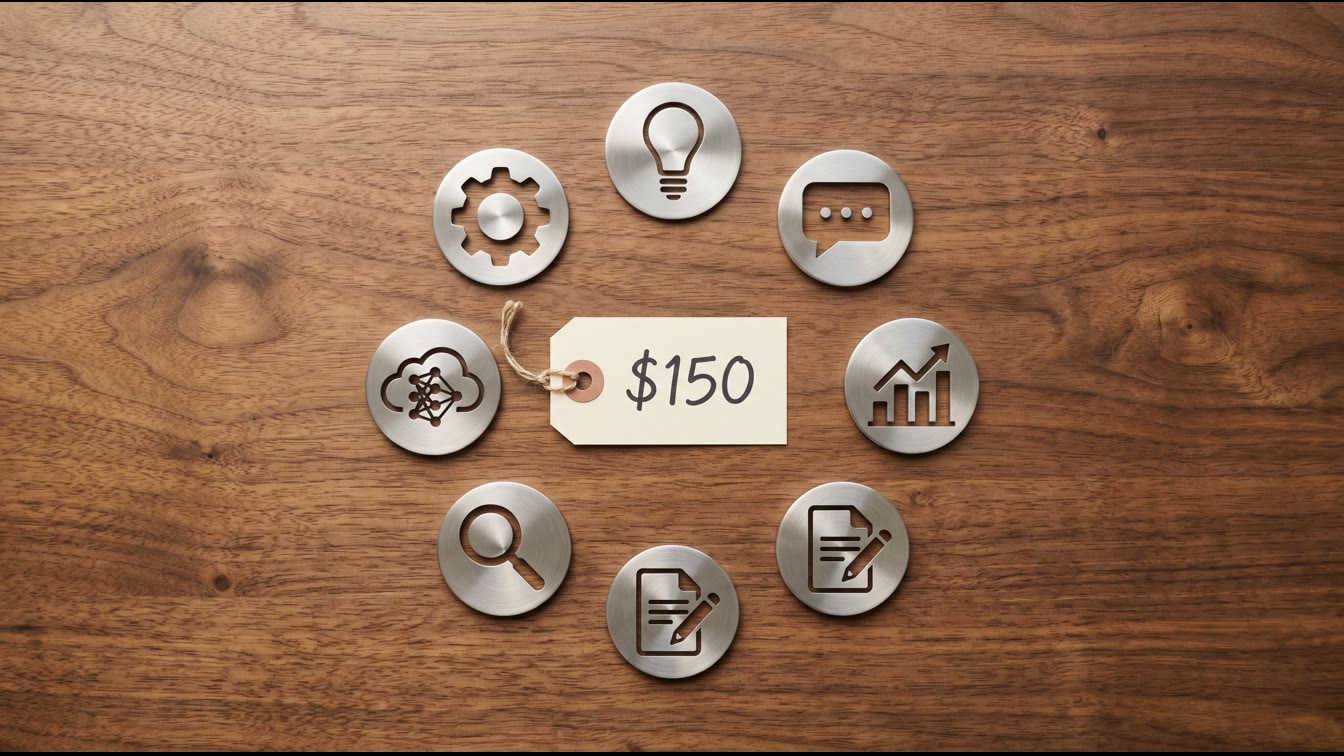
You can replace most of a junior marketer output for 150 per month with 7 specific tools. Here is the stack and the math.
Daily playbooks for owner-operators implementing AI marketing systems. Tactics, frameworks, case work — written for builders who'd rather ship the system than read about it.

60 articles published · 10/day target · Updated daily
You can replace most of a junior marketer output for 150 per month with 7 specific tools. Here is the stack and the math.
Microsoft Agent 365 is impressive engineering solving an enterprise problem. If you are a 12-person agency, your problem is different.
A human resolves one ticket for 7 to 35 dollars. An AI agent does it for 69 cents. The arbitrage is clear.
Response time is your only competitive advantage. An AI-connected stack cuts proposal turnaround from days to hours.
Sessions where shoppers engage with AI product recommendations drive 26% of revenue. Here is the stack.
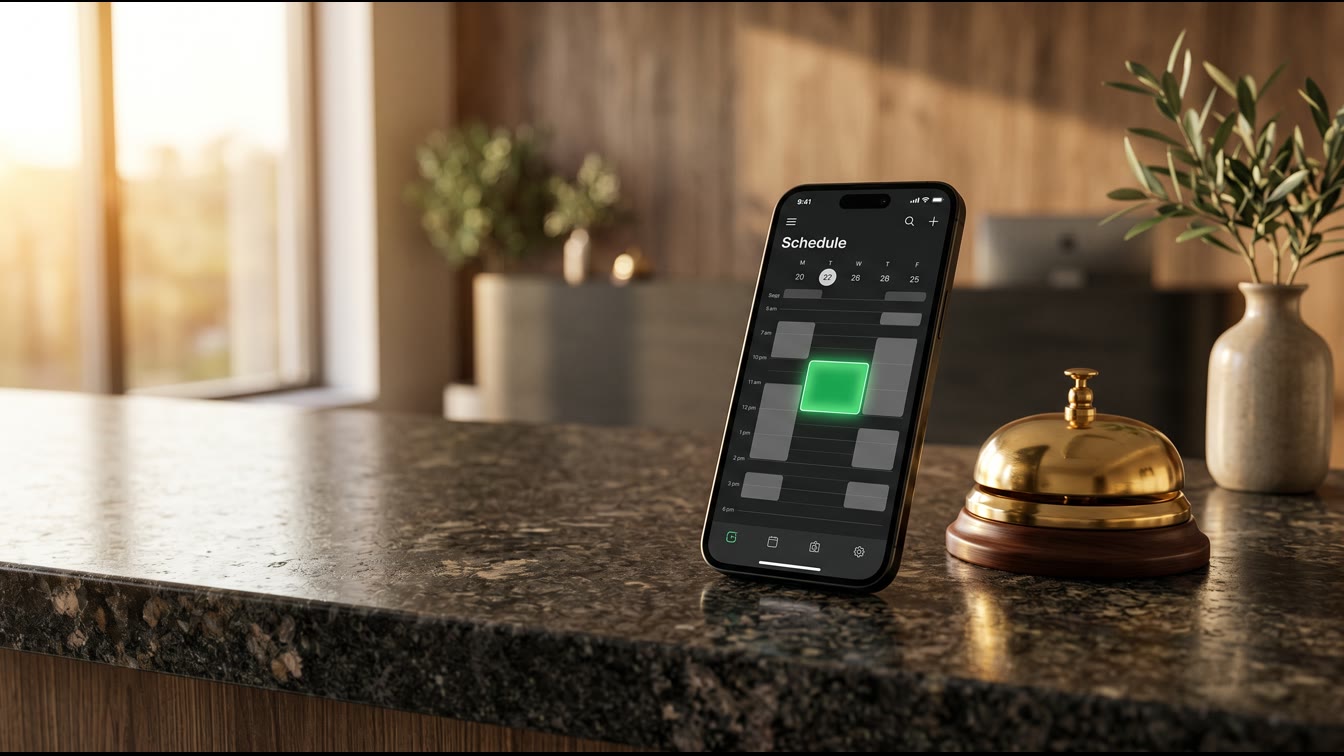
Service businesses lose 60% of booking requests because they happen after hours. An AI scheduling stack answers every call.
Most agencies launch campaigns in 4-6 weeks. Automation collapses that to 7-14 days. Here is the system.
In March 2026, the FTC settled charges against Air AI, banning the company from marketing business opportunities.
Eighty-eight percent of organizations experienced AI security incidents this year. Not because they lacked tools - because they skipped the fundamentals.
In a market with over 15,000 martech tools, the operators commanding premium exit multiples have three tools, mastered. Not fifteen, half-configured.
LinkedIn just built an enforcement mechanism for authenticity. The platform's AI detection now identifies generic content with 94% accuracy. The operators who built their own voice before AI made it cheap to fake one? They just got rewarded. Here's how to compete.
Content production eats founder hours. Jasper Studio lets you systematize it. 85% of marketers now use AI for content creation—but most agencies still staff like it's 2015. Here's how to build the factory instead.
A free dashboard that tracks how ChatGPT, Gemini, and Perplexity cite your client's content. Use it to build a proprietary diagnostic that justifies premium consulting fees.
AI-referred orders on Shopify grew 13x YoY in Q1 2026. Agentic storefronts syndicate your catalog to ChatGPT, Perplexity, Copilot, and others—with 50% higher conversion and 14% higher order values. Operators who own this channel now build compounding advantage before mainstream adoption.
The Intuit 2026 AI Impact Report is clear: 70% of small businesses now use AI as part of daily operations. The other 30% are about to learn an expensive lesson. This isn't a technology problem. It's a decision-making problem.
LinkedIn's Depth Score measures read time and saved posts, not just likes. A 90-day system with carousels compounds faster than spray-and-pray posting. This is the math.

On the submarine, every system had a pre-start checklist. You never started the reactor without verifying every prerequisite. The same discipline applies to deploying AI prospecting. Your data has to be clean BEFORE you flip the switch.
Your business is either building toward an exit or drifting away from one. The Owner's Exit Engine framework uses AI marketing systems to eliminate the single biggest valuation killer — founder dependency — and compounds your business toward a premium multiple.
OpenAI opened ChatGPT's self-serve Ads Manager to all U.S. businesses on May 5, 2026. $3–$5 CPC. No minimum spend. 900 million weekly users. Here is the operator's verdict: most owner-operators should wait — and here is exactly when that changes.
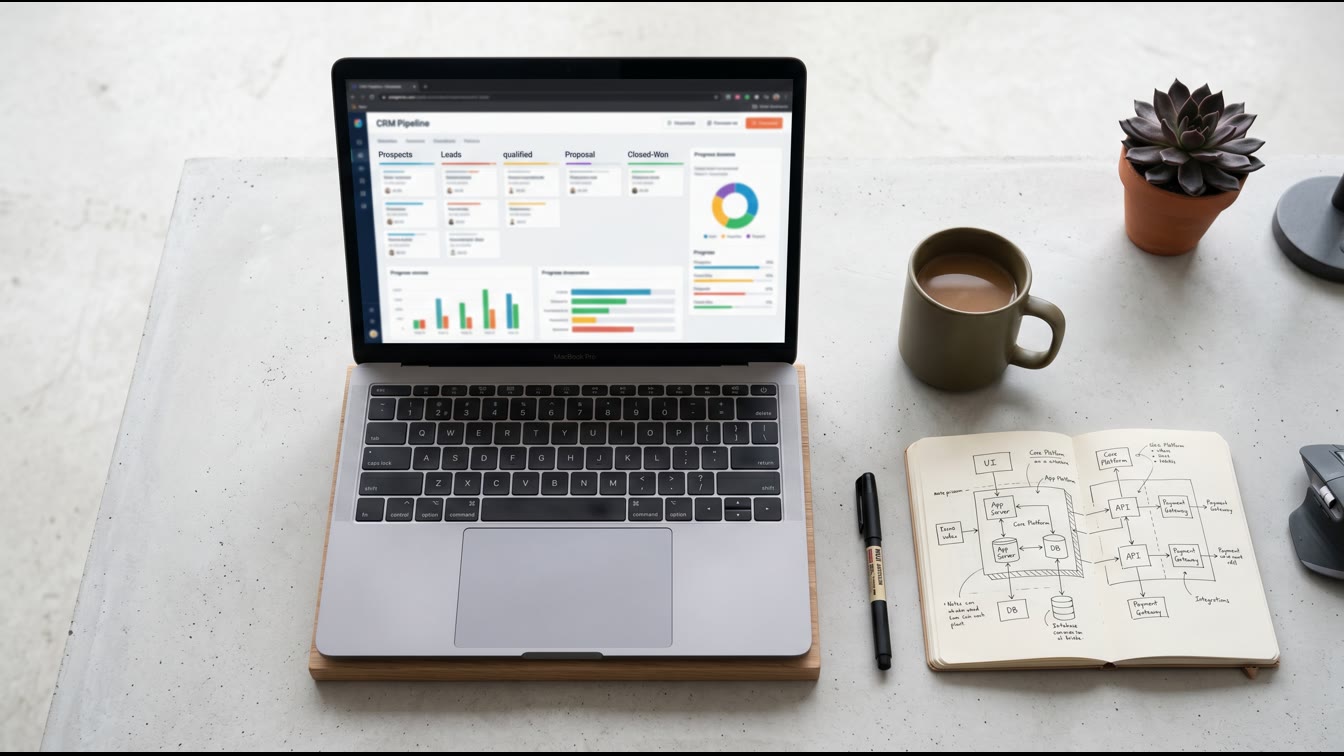
Deploying AI agents on a dirty CRM does not fix your data problem. It automates it, accelerates it, and sends it downstream at machine speed. If your CRM is broken, your AI strategy is broken before it starts.
Most owner-operators automate chaos. The ATLAS Model says build recurring revenue first — then let automation compound what already works.
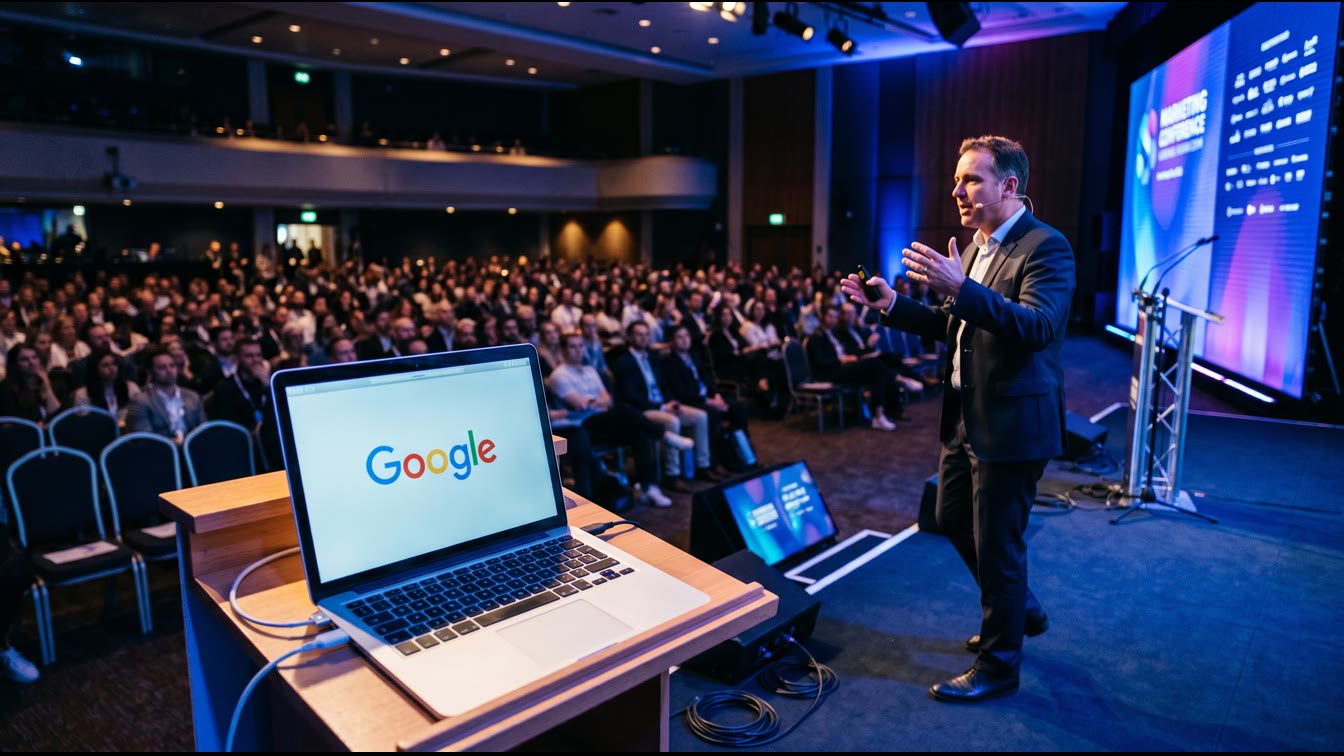
Google dropped three announcements at Marketing Live 2026 that matter for your business—AI Max for Search, agentic commerce infrastructure, and Ask Advisor. Skip the rest. Here's what to actually do this week.
Salesforce Headless 360 shipped in April 2026 with 60 new MCP tools and full platform APIs. For enterprises: directionally correct. For sub-$5M founders: vendor lock-in with acquirer friction. Skip until $5M+ ARR unless building agents-as-a-service.
Claude for Small Business launched May 13, 2026 with native connectors to QuickBooks, PayPal, HubSpot. The workflows are operationally sound. But most owner-operators who integrate deeply will remain renters, not owners. You own the asset only when you control the data, the workflow exit path, and the decision to leave.
Your service business generates strong cash flow. It's also worth 40% less than it should be—because every major decision, client relationship, and delivery decision routes through you. That's the founder dependency tax. Owner-dependent service businesses sell at 4.5–5.5x EBITDA. Systematized businesses command 6–8x. A $2M EBITDA business? That's a $500K–$700K valuation gap. Close it by building systems that run without you.
You want to know why 94% of small business owners using AI pricing tools say they're more competitive? Because price is not a math problem—it's a positioning decision. Here's the Sovereignty Stack: real-time competitor signals, inventory-triggered markdowns, and elasticity testing—all under $500/month.
Consultants are the single point of failure. Every hour in admin is an hour you're not selling. The 90-Day Bottleneck Audit maps your tasks to three tiers: what Claude owns, what you approve, what stays yours. Framework for scaling without hiring.
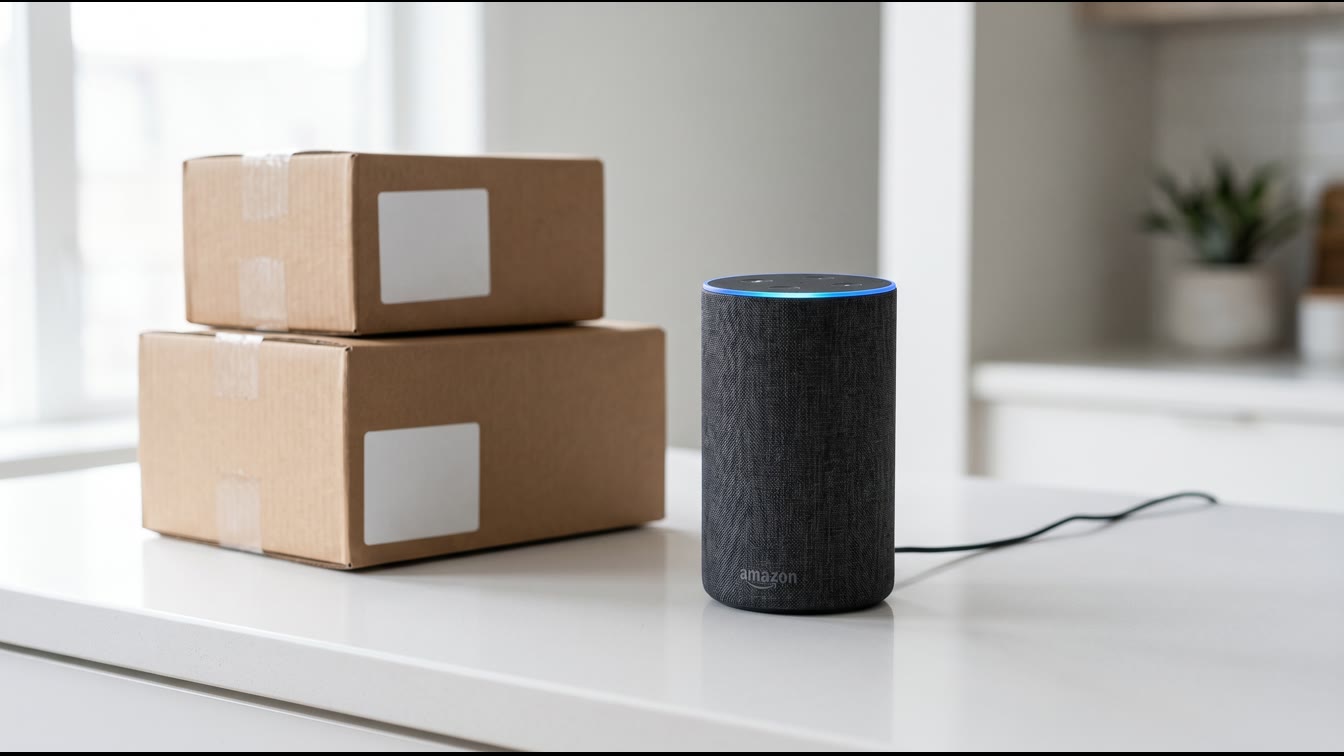
Amazon just weaponized its recommendation engine. Alexa for Shopping—live as of May 2026—puts an AI agent between your listing and your customer's purchase decision. Brands without first-party data and direct customer relationships are invisible to this agent.
Gartner's May 2026 survey says AI-driven marketing automation will jump from 16% to 36% by 2028. For enterprise CMOs, that's a planning cycle. For owner-operators, that's a forcing function. Here's the doctrine that makes it work.
Anthropic launched Claude for Small Business on May 13, 2026. Fifteen workflows. Ten-plus connectors. HubSpot, Slack, Google Workspace. If you're running GoHighLevel, the question isn't 'which one wins'—it's 'which task goes to which system?' This article is the routing table.
Salesforce claims 50-70% cycle time reduction with Agentforce. Industry data tells a different story: 77% of B2B implementations fail within six months. Here's what the bottleneck audit reveals.
Hyper-personalization is no longer enterprise-only. This tactical playbook shows mid-market ecom operators how to deploy real-time behavioral AI using tools already in their stack—with data that compounds quarter over quarter and commands higher acquisition multiples.
AI systems rank brands before humans do. Ignite X and competitor tools now score how ChatGPT, Perplexity, and Claude describe your business—and most owner-operators score too low to be cited. This tool review shows you how to read your score, identify gaps, and move the needle.

Token costs have collapsed by 60-80% since 2025, yet enterprise AI spending tripled to $37 billion in 2025. The culprit: usage-based pricing at scale. The FOCUS Strategy helps B2B SaaS operators find their unique cost position and prevent budget overruns.
AI agents now drive discovery conversations. Service businesses without an agentic web strategy are invisible to the buyer's research assistant. The window to position is closing fast.
Most AI marketing tools fail because the underlying data is messy and fragmented. The Data's DNA framework gives you a tactical checklist to clean, structure, and activate first-party data across any stack, transforming your foundation from liability to competitive advantage.
Sixty percent of marketing leaders now spend less on agencies due to AI. This isn't disruption—it's recalibration. Agencies that keep selling execution lose margin. The Sovereignty Stack audit shows you how to move upstream before your retainers collapse.
Shopify released 150+ Winter '26 features. This tactical audit identifies the 5 updates that directly move revenue for owner-operators running $500K–$5M ecommerce businesses—and which 145 you can safely ignore.
Clients now generate their own decks, research, and analysis. Consulting firms that keep billing by the hour face commoditization. The ATLAS Model reframes what high-value consulting looks like when clients already have access to the same AI generalists.
Most owner-operators are treating AI agents like software subscriptions — bolt them on, call it innovation, wait for the ROI. The doctrine says that is the wrong architecture. For a $500K–$5M business, agentic AI is not a feature layer. It is the org chart. But only if you build the doctrine first.
SaaS companies lose 40-60% of users in the first 90 days. AI-powered onboarding automation identifies at-risk users and intervenes before they churn. This is the system that changes the math.
Ecom operators spend 15-20 hours weekly on catalog management. Agentic commerce systems handle pricing optimization, product descriptions, and inventory decisions autonomously.
Service businesses lose an average of $180,000 annually to missed calls. AI receptionist systems capture that revenue 24/7 without adding headcount. Here is the implementation system.
Meta Advantage+ campaigns look efficient on the surface. Underneath, they are cannibalizing branded search, inflating ROAS, and hiding waste. Here is the audit system agency operators need.
Klaviyo's integration with Claude creates agentic email systems that handle segmentation, copywriting, and optimization autonomously. This is the system ecom operators use to remove themselves from the email engine room.
Google's AI Max migration changes the rules for service business advertising. Owner-operators who prepare now keep control of their ad spend. Those who wait hand Google the keys.
GA4's AI-powered channel tracking gives owner-operators attribution clarity that used to require a dedicated analytics team. Here is the system that turns data into decisions.
Your LinkedIn presence is either adding to or subtracting from your business valuation. The Owner's Exit Engine framework turns personal authority into a measurable multiple enhancer.
Platform algorithms optimize for platform revenue, not your business value. Owner-operators who understand this asymmetry build systems that compound regardless of algorithmic shifts.
AI search engines are rewriting how buyers find service providers. Owner-operators who build GEO-optimized content systems now will own the citations that drive revenue for the next decade.
Ecommerce buyers place a measurable premium on businesses where the AI stack is fully documented and operator-independent. We show you how to structure that documentation, map it to the Owner's Exit Engine framework, and watch your valuation compound with every system you make visible.
ChatGPT handles 2 billion queries daily. When a prospect asks your exact question, you want to be the cited source. Here's how to audit and restructure your content so AI models—not Google—route traffic to you.
LinkedIn's algorithm shift killed engagement pods and moved to interest-based distribution. Owner-operators who signal authority on their profiles get reach; those who read like resumes get buried.

Your agency's competitive edge isn't your creative talent or media buying anymore. Both are now commodities. What remains defensible: the first-party customer data you collect, own, and operationalize. The 90-Day Bottleneck Audit shows you how.
AI shopping agents now control product discovery. You can't outrank them with backlinks or keywords. You own your data or lose the sale.
Service businesses lose $3,500–$5,000 monthly to owner time spent answering phones, writing estimates, and chasing invoices. One GHL AI agent system fixes all three. Here's how to build it this afternoon.
When every competitor can generate polished thought leadership at three times the speed, output velocity stops meaning anything. The real game is authority. Without the authority anchor, more content equals more dilution.
Mainstream marketing doctrine screams: grow your audience. But for owner-operators, a million disengaged followers is worse than worthless—it's a system built on sand. What you actually need is a concentrated buying audience.
GoHighLevel's 2026 AI agent suite promises 24/7 voice answering, auto-booking, and lead qualification. But at $497/month, you need to verify whether it actually rings the cash register.


Agency owners are told to automate everything — and the ROI data backs it up. But automation without an exit thesis doesn't build a business. It builds a more sophisticated job. Here's the doctrine that changes the math.