
Tactical
AI Product Recommendations for Shopify Under 3M: The Stack That Drives 369% Higher AOV
Sessions where shoppers engage with AI product recommendations drive 26% of revenue. Here is the stack.
May 23, 2026 7 min read
Lead magnets, tripwires, value ladders, and continuity offers. The full funnel architecture that turns visitors into repeat customers and predictable MRR.
13 articles
Sessions where shoppers engage with AI product recommendations drive 26% of revenue. Here is the stack.

Hyper-personalization is no longer enterprise-only. This tactical playbook shows mid-market ecom operators how to deploy real-time behavioral AI using tools already in their stack—with data that compounds quarter over quarter and commands higher acquisition multiples.

Token costs have collapsed by 60-80% since 2025, yet enterprise AI spending tripled to $37 billion in 2025. The culprit: usage-based pricing at scale. The FOCUS Strategy helps B2B SaaS operators find their unique cost position and prevent budget overruns.

Google's AI Max migration changes the rules for service business advertising. Owner-operators who prepare now keep control of their ad spend. Those who wait hand Google the keys.
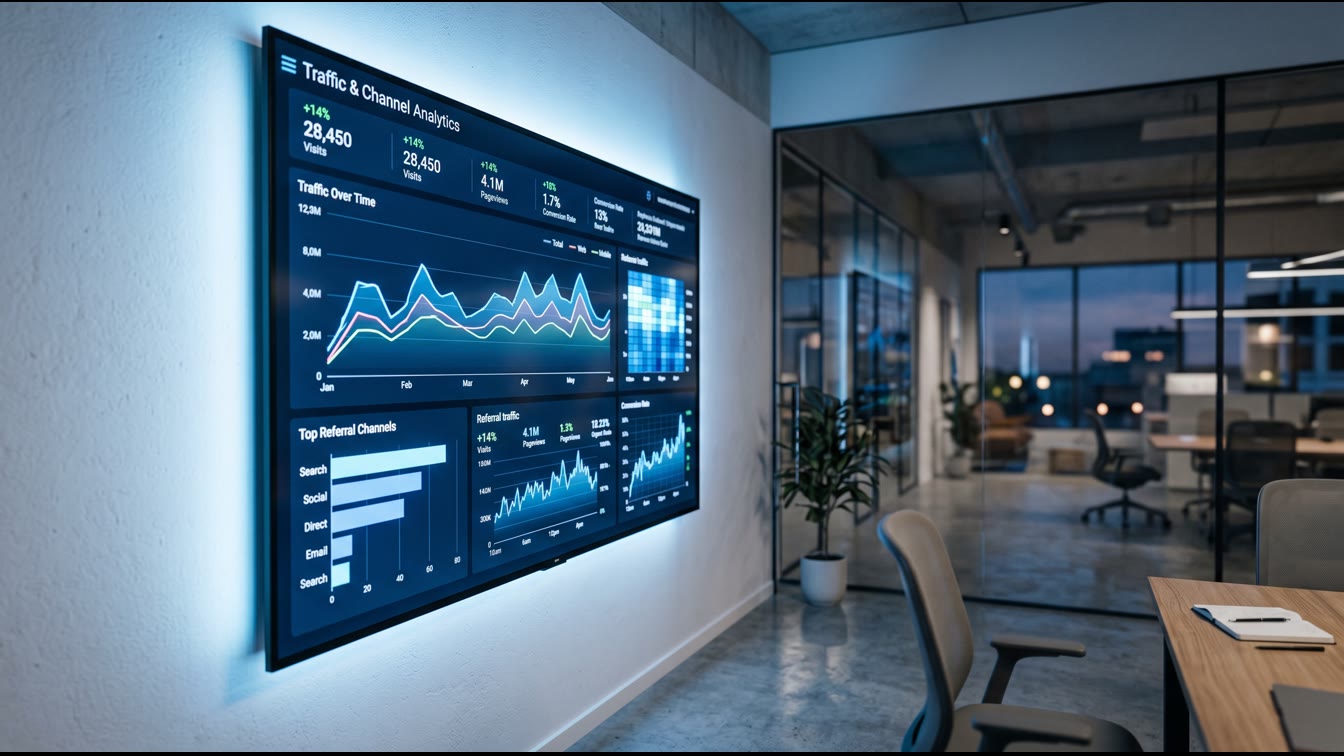
GA4's AI-powered channel tracking gives owner-operators attribution clarity that used to require a dedicated analytics team. Here is the system that turns data into decisions.

Third-party cookies are being deprecated and the consultants still relying on rented audience data are building on sand. The first-party data pivot is not optional — it is the foundational infrastructure move that separates consultants who will own their growth from those who will outsource it. The Data's DNA framework provides a structured path to building data assets you control.
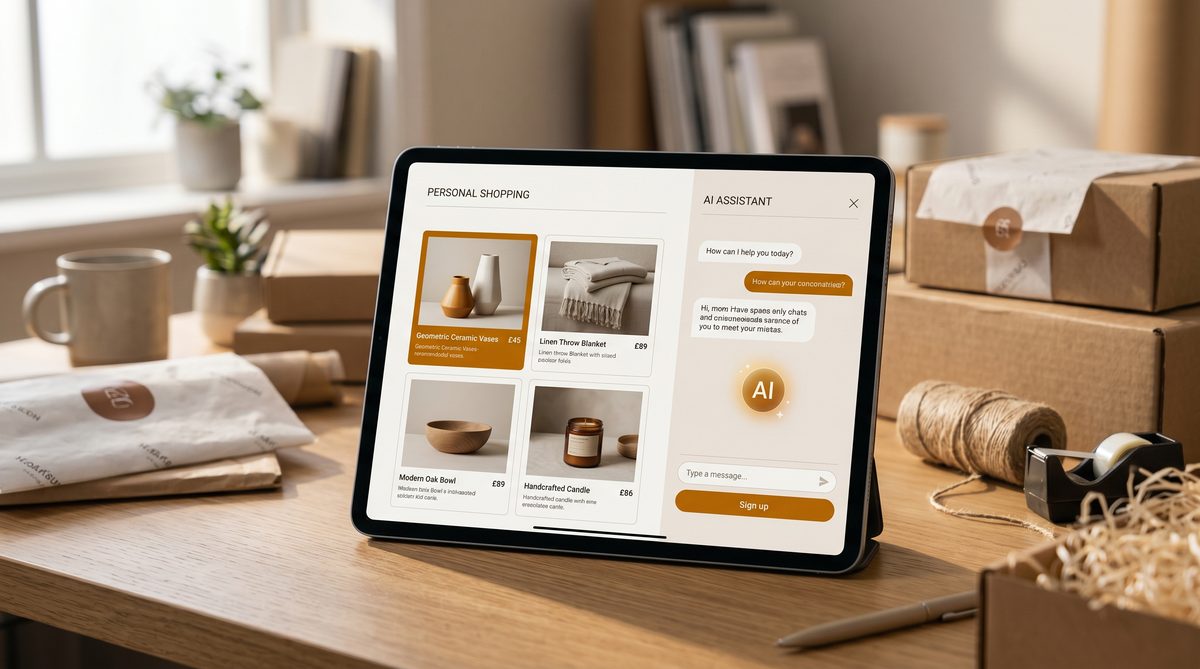
AI shopping agents are no longer a future scenario — they are the fastest-growing conversion channel in ecommerce right now, researching products, comparing options, and completing purchases without human input. Merchants who optimize for agentic commerce using the Owner's Exit Engine framework will capture this channel; those who do not will find their conversion rates eroding as buyers delegate purchasing to AI.

Most B2B SaaS founders treat their pricing page like a menu. It's not a menu. It's a psychological architecture that either pulls customers toward your highest-value tier or bleeds ACV you'll never get back. This article breaks down the three-tier framework — built on anchoring, the decoy effect, and loss aversion — that owner-operators can implement this week to move 20% of customers up-tier, increase average contract value, and build a pricing structure that directly improves valuation multiples at exit.

Most consultants treat discovery calls as qualification events. That's the wrong order. AI-powered intake forms, behavioral scoring, and conditional calendar routing can filter your leads before a single minute of your time is spent — leaving your calendar full of ideal clients, not time-wasters. This is the AI consultation funnel.
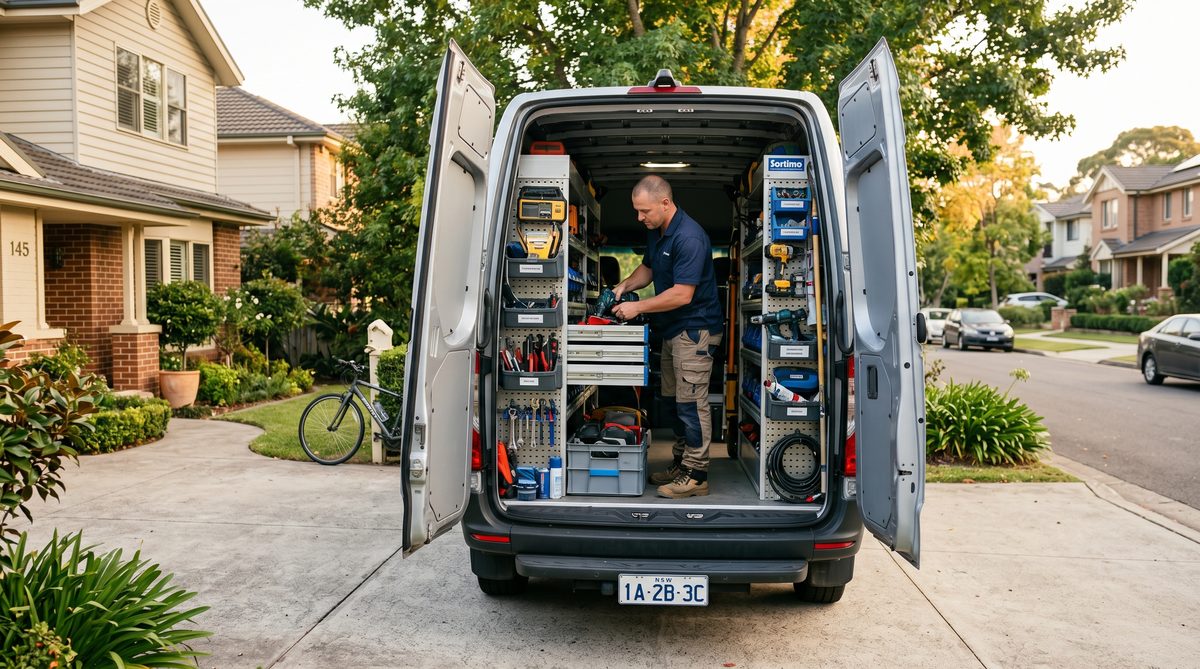
Home service companies leave 60% of leads on the table due to slow response times and manual intake. An AI intake system running 24/7 on GoHighLevel changes that—qualifying leads automatically and booking estimates while your field team works.

Most B2B SaaS companies under $5M ARR hover at 90-100% NRR. The elite hit 120%+. The difference isn't headcount or better hiring. It's systems. Specifically, AI-powered systems that analyze customer behavior data you already collect but never use.

Service businesses leave $200K+ annually on the table by treating reviews as afterthoughts. The review-to-referral engine runs a five-part system—automated requests, routing, negative interception, re

Three workflows. Ninety days to thirty. That's the math. Consulting sales cycles drag because of three bottlenecks — discovery prep, proposal drafting, and stakeholder alignment — and almost ever